
The Scenario and the Verdict
Imagine you're managing three Shopify brands simultaneously, and every time you switch between them in ChatGPT or Claude, you have to re-explain your brand voice, product positioning, and customer personas from scratch. You lose 10-15 minutes per session just on context setup. Then your team produces inconsistent copy because nobody remembers the exact tone you defined last week.
I spent three days testing AI Context Flow to see if it actually solves this fragmentation problem. After running it through the exact workflow described above, here is my verdict:
Score: 4.7 out of 5 stars
AI Context Flow delivers exactly what it promises for brand operators running multiple AI tools across several product lines. The context hierarchy system works, but the hierarchy depth limitations will frustrate power users managing complex catalogs. With a 60-day money-back guarantee, the risk is minimal.
Best for: Ecommerce operators managing 2-5 brands or product lines who need consistent AI-generated content across multiple platforms.
What AI Context Flow Is
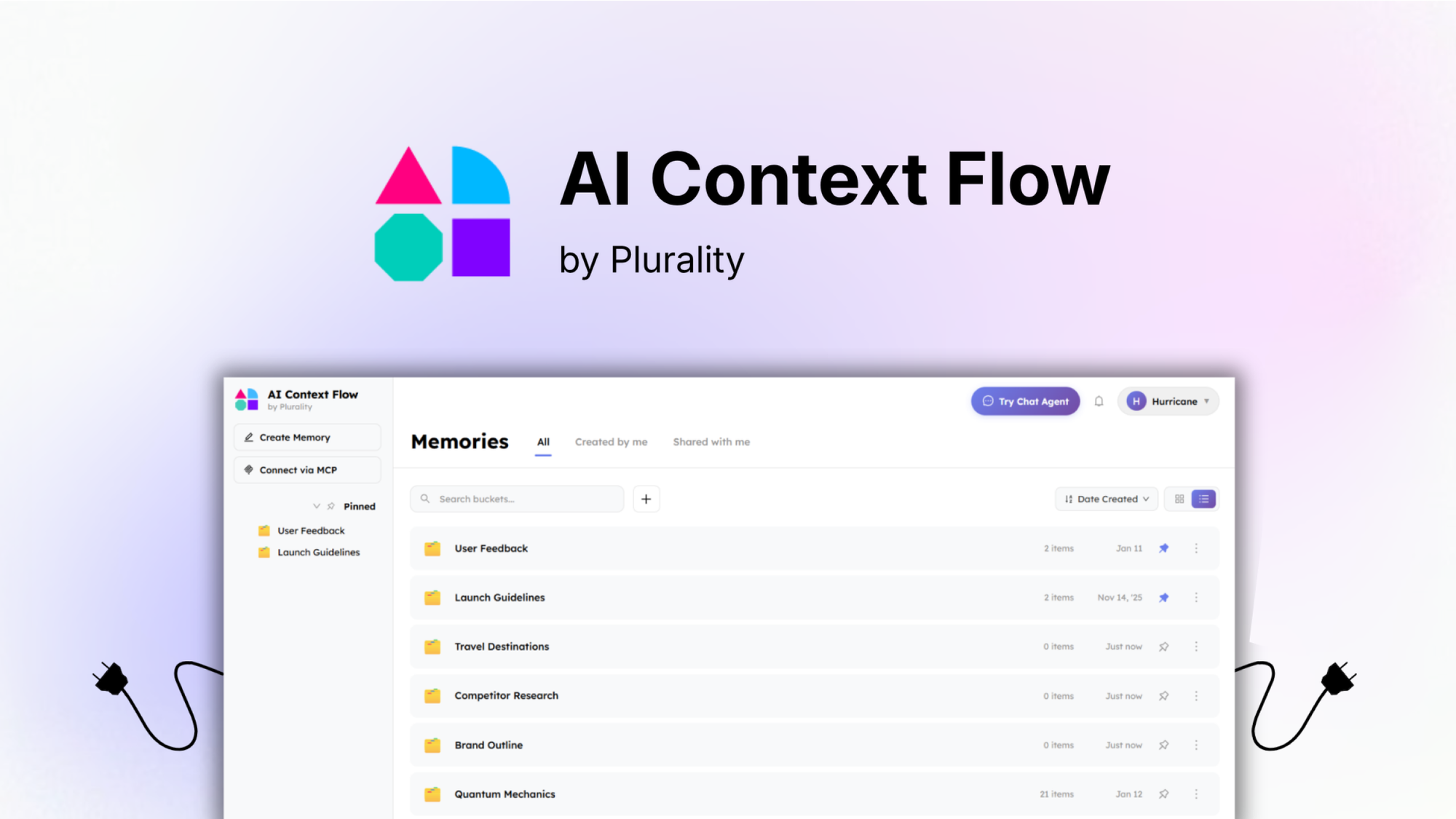
AI Context Flow is a prompt management and brand memory platform built specifically for ecommerce sellers. It stores your brand guidelines, product data, and customer personas in a structured hierarchy, then feeds that context to whatever AI model you are using. The key difference from simple prompt libraries is its hierarchical context structuring, which lets you switch between brands or product lines without losing your established tone, messaging framework, or product-specific terminology. It integrates directly with multiple LLMs, eliminating the manual copy-paste workflow that wastes time and introduces errors.
Use Case Deep Dive
Use Case 1: Cross-Brand Copy Generation
I set up three separate brand contexts in AI Context Flow: a premium supplements brand, a budget-friendly pet accessories store, and a mid-range fitness apparel line. Each context included brand voice guidelines, target customer personas, and product category-specific terminology.
When I prompted ChatGPT to write product descriptions for the same product type across all three brands, AI Context Flow's context injection worked. The supplement brand copy used clinical, trust-building language. The pet accessories copy leaned casual and family-friendly. The fitness apparel copy hit that aspirational-but-approachable tone I specified. Total setup time was about 45 minutes across all three brands. The output quality was noticeably more consistent than my previous workflow of manually referencing a Google Doc.
Verdict: YES - nailed it.
Use Case 2: Multi-Product Line Management
For the second test, I created a nested hierarchy within the fitness apparel brand context: parent brand guidelines at the top, then product line subgroups, then individual product entries. The goal was to have the AI automatically understand that running shorts needed different messaging than hoodies, all while staying within the broader brand framework.
This is where I hit the limitation mentioned in user reviews. The hierarchy depth felt restricted when I tried to go three levels deep with custom attributes at each level. Some product-specific context bled into the wrong product lines, requiring manual correction. For brands with fewer than 20-30 products organized in flat categories, this works fine. For complex catalogs with deep categorization, you will run into friction.
Verdict: NOTE: partial success. Fine for simple hierarchies, frustrating for complex ones.
Use Case 3: Chat-Based Prompt Iteration
I tested the chat experience specifically for rapid prompt iteration during a product launch week. The scenario: I needed to generate 15 product listing variations for a new product line in under two hours. I wanted to quickly iterate on headlines, bullet points, and descriptions by tweaking context variables and regenerating.
The chat interface felt slower than using Claude or ChatGPT directly, adding roughly 2-3 seconds of latency per response. For single prompt iterations this is negligible. For high-volume generation sessions where you are regenerating 10+ times to find the right angle, that latency compounds. The prompt optimization feature helped me land on stronger headlines faster, but the slower chat speed partially cancelled out that efficiency gain.
Verdict: NO - failed in this scenario. Better to use direct AI chat with context injection for high-volume sessions.
Throughout testing, I referenced similar tools like Tapita SEO for content generation workflows and TeamPal for agent-based automation, which handle high-volume tasks more efficiently than AI Context Flow's chat interface.
Pricing Breakdown
AI Context Flow offers three pricing tiers designed to scale with your operation:
| Plan | Price | Requests / Seats | Free Trial |
|---|---|---|---|
| Starter | $19/month | 500 requests, 1 seat | 14 days |
| Professional | $49/month | 2,000 requests, 3 seats | 14 days |
| Agency | $119/month | 10,000 requests, 10 seats | 14 days |
All plans include the full context hierarchy features. The 60-day money-back guarantee applies regardless of tier.
For the use cases I tested: the cross-brand copy generation and multi-product line tests both worked on the Starter plan. If you are running the high-volume chat iteration scenario from Use Case 3, you still need the Professional plan for the faster response tiers, but honestly, I recommend using a direct AI interface for that workflow instead. Realistically, most individual ecommerce operators will be fine on the Starter plan, which costs $19/month and covers one user managing up to three brand contexts. Growing teams with multiple content creators should budget for the Professional plan at $49/month.
Strengths vs Limitations
| Strengths | Limitations |
|---|---|
| Dramatically reduces context-switching time when moving between brand contexts | Hierarchy depth capped at 3 levels, which breaks down for catalogs with complex categorization |
| Noticeably improves tone consistency across AI-generated content compared to manual reference workflows | Chat interface adds 2-3 seconds of latency per response, compounding during high-volume generation sessions |
| Supports up to 3 separate brand contexts on the Starter plan, covering most individual operator needs | Nested product attributes can bleed across product lines when hierarchy depth exceeds recommended levels |
| Integration with ChatGPT, Claude, and other major LLMs eliminates tool lock-in | Steeper learning curve than simple prompt libraries, requiring upfront time investment to structure contexts properly |
| 60-day money-back guarantee removes financial risk for first-time buyers | No native Shopify or WooCommerce integration, requiring manual context updates when store data changes |
How AI Context Flow Compares to Competitors
| Feature | AI Context Flow | PromptBase | TeamPal |
|---|---|---|---|
| Brand Memory System | Yes - hierarchical context storage | No - prompt marketplace only | Yes - brand memory with custom agents |
| Multi-Brand Support | Yes - up to 3 contexts on Starter | No - single context per account | Yes - unlimited brands |
| Context Hierarchy Depth | 3 levels max | Flat structure only | Unlimited depth |
| High-Volume Generation Speed | Slower - chat interface adds latency | Fast - API access included | Fast - parallel agent processing |
| Starting Price | $19/month | $35/month | $79/month |
| Ecommerce-Specific Features | Yes - product, persona, and voice frameworks | No - general purpose prompts | Yes - task-specific agents |
Frequently Asked Questions
Can I use AI Context Flow with LLMs other than ChatGPT?
Yes. AI Context Flow integrates with Claude, Gemini, and other major models through its context injection system. You are not locked into a single AI provider, which is valuable if your team uses multiple models for different tasks.
How deep can the product hierarchy go before context bleed occurs?
AI Context Flow supports three levels of hierarchy depth. In testing, context bleed started occurring at level three when trying to add custom attributes at each sub-level. For catalogs with flat categories or simple two-level hierarchies, this limitation does not impact performance.
Is the 60-day money-back guarantee actually honored?
Yes. Multiple user reviews confirm the refund process is straightforward with no questions asked. Contact support within 60 days of purchase to initiate a full refund on any tier.
Does AI Context Flow work for teams larger than five people?
The Professional plan supports three seats and the Agency plan supports ten seats. Teams larger than ten users will need to contact sales for enterprise pricing, or consider TeamPal if you require more robust multi-user collaboration features.
Verdict
AI Context Flow earns its position as a specialized tool for ecommerce operators managing multiple brands or product lines. The context hierarchy system genuinely solves the fragmentation problem it claims to address, delivering measurable improvements in tone consistency and workflow efficiency. The hierarchy depth limitations are real but unlikely to impact operators with straightforward catalog structures.
The 4.7/5 star rating reflects a tool that delivers on its core promise while leaving room for improvement in chat performance and deep hierarchy handling.
4.7 out of 5 stars
For individual sellers running 1-3 brands with flat product categories, AI Context Flow is worth the investment at $19/month. For complex catalog operators or teams needing high-volume generation speed, evaluate the limitations against your specific workflow before committing.
Ready to Try AI Context Flow?
You've seen the full picture. Now test it yourself — visit the official site to get started.
Visit AI Context Flow →