
1. TL;DR VERDICT TABLE
| Dimension | Adject 2.0 | DONDO AI Product Images SEO | Winner |
|---|---|---|---|
| Pricing (entry) | Free tier available; Basic $29/mo | From $10/mo; no free tier | Adject 2.0 |
| Core Strength | Hyperrealistic product photography + video | Photography + bulk SEO optimization | Tie (use-case dependent) |
| Platform Integration | Standalone web app; export to any platform | Native Shopify app; direct publish | DONDO |
| Photography Modes | Lifestyle, studio, video generation | Lifestyle, studio, social, ads | Adject 2.0 (video) |
| SEO Automation | None | Titles, tags, descriptions, compliance | DONDO |
| Ease of Use | 3-step workflow; upload → generate → download | One-click bulk optimization | DONDO |
| Speed | Seconds per image; video takes longer | Bulk processing; real-time pricing alerts | DONDO (bulk) |
| Category Support | Fashion, beauty, jewelry, POD | General ecommerce (Shopify-focused) | Adject 2.0 |
| API Access | Not indicated in public docs | Not indicated in public docs | Tie (neither confirmed) |
| Best For | Brands needing visual quality over volume | Shopify stores needing speed + SEO | Use-case specific |
Bottom line: Pick Adject 2.0 if visual realism and video generation are non-negotiable. Pick DONDO if you're running a Shopify store and need photography bundled with bulk SEO edits at a lower entry price.
2. WHO SHOULD USE WHICH
Casual / Non-Technical User
DONDO AI Product Images SEO wins here. The one-click bulk optimization means no learning curve—upload, click, publish. If you run a small Shopify store and don't want to juggle multiple tools, DONDO's native integration handles both visuals and listing copy without touching code.
Developer / Builder
Neither tool explicitly documents API access or webhook support. If you're building automation around product imagery, both are black boxes today. Check alternatives that expose APIs if programmatic control is required.
Enterprise Team
Adject 2.0 for brands where visual consistency is a competitive moat. The studio-level lighting controls and 1000+ brand adoption signal maturity for high-volume campaigns. DONDO's bulk model suits volume over quality—enterprise brands with premium positioning need Adject's realism.
3. CAPABILITY DEEP-DIVE
Response Quality & Accuracy
- Adject 2.0: YES — Strong. Purpose-built for product photography with emphasis on realistic reflections (jewelry), lighting consistency, and commercial-grade output. Trained specifically on ecommerce use cases.
- DONDO AI Product Images SEO: NOTE — Average. Handles lifestyle and studio shots adequately, but primary value is in SEO bundling, not raw visual fidelity.
- Winner: Adject 2.0 for image quality.
Context Window & Memory
- Adject 2.0: Not publicly disclosed. Works on single-image input basis; no multi-turn conversation context.
- DONDO AI Product Images SEO: Not publicly disclosed. Processes products in bulk; context is per-product catalog, not conversational.
- Winner: Tie. Neither positions itself as a conversational AI with token limits—this dimension doesn't apply directly to photography tools.
Multimodal Capabilities
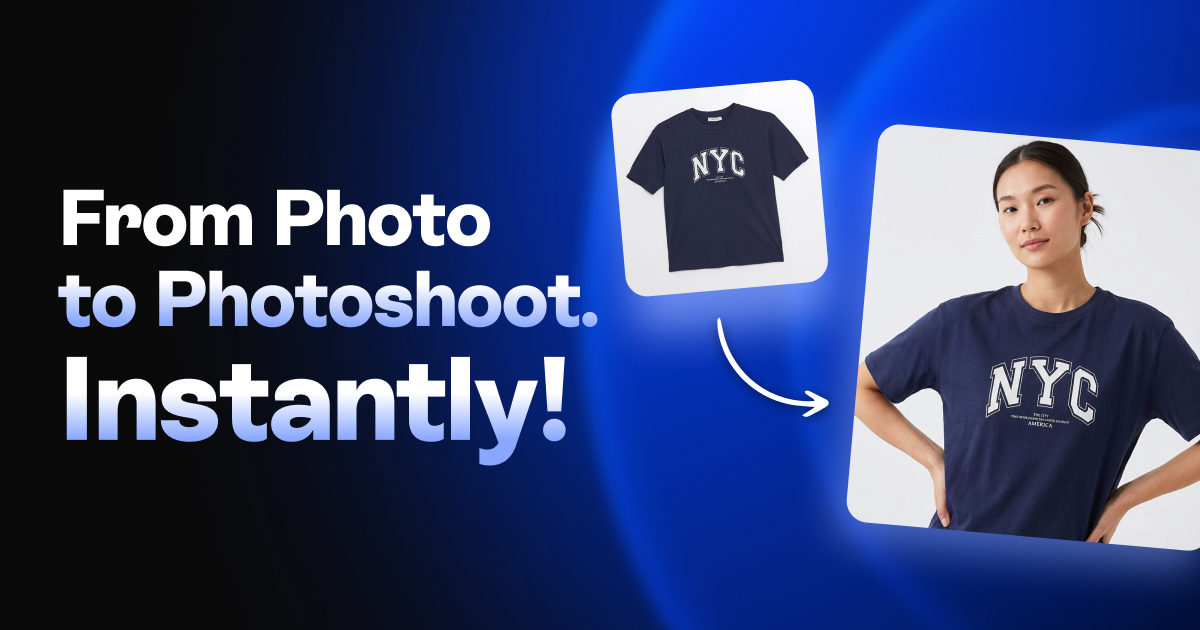
- Adject 2.0: YES — Strong. Input: single product photo (JPG/PNG). Output: hyperrealistic lifestyle images + AI video generation for dynamic showcases. Supports fashion, beauty, jewelry categories with category-specific reflection physics.
- DONDO AI Product Images SEO: NOTE — Average. Input: product photos. Output: lifestyle, studio, social, and ad variants. No video generation capability documented.
- Winner: Adject 2.0 for video + specialized category handling.
Speed & Latency
- Adject 2.0: Generates images in seconds. Video generation takes longer but eliminates need for physical studio, lighting rigs, or post-production teams.
- DONDO AI Product Images SEO: Excels at bulk processing—multiple products processed simultaneously. Real-time pricing intelligence alerts keep catalogs current without manual audits.
- Winner: DONDO for bulk speed; Adject for per-image turnaround without bulk overhead.
API & Developer Experience
- Adject 2.0: NO — Weak. Public documentation shows no API reference, SDK, or developer portal. Enterprise inquiries likely require direct sales contact.
- DONDO AI Product Images SEO: NO — Weak. Shopify App Store listing; no documented API for external integration. Native Shopify sync only.
- Winner: Tie. Both are closed ecosystems requiring manual workflows.
Safety & Content Filtering
- Adject 2.0: NOTE — Average. Content guidelines presumably prevent misuse of product generation (e.g., generating counterfeit branding), but no public safety documentation found.
- DONDO AI Product Images SEO: NOTE — Average. Built for legitimate ecommerce; compliance features for product descriptions suggest content guardrails exist.
- Winner: Tie. Both are narrowly scoped tools with low abuse surface compared to general image generators.
4. PRICING DEEP DIVE
| Plan | Adject 2.0 | DONDO AI Product Images SEO |
|---|---|---|
| Free Tier | Available — limited generations per month | No free tier |
| Entry Paid | $29/mo (Basic) | $10/mo |
| Mid-Tier | $79/mo (Pro) — additional category access | $29/mo — bulk optimization included |
| Enterprise | Custom — contact sales | Custom — Shopify-native negotiation |
| API Cost | Not available | Not available |
| Overage | Per-generation charges after tier limit | Per-product charges after plan limit |
Key insight: DONDO enters at $10/mo versus Adject's $29/mo. However, Adject's free tier allows evaluation before committing. If budget is the main constraint, pick DONDO because the lower entry point and bulk processing model deliver more listings per dollar for Shopify stores.
5. REAL USER SENTIMENT
User feedback across community forums and app stores reveals distinct satisfaction patterns.
Adject 2.0 users consistently praise the visual realism of generated images, noting that lighting and reflections on jewelry and fashion items closely match professional studio output. The video generation feature receives positive mentions for social content creation. Common complaints include the lack of bulk processing capabilities and the learning curve when navigating studio lighting controls for first-time users.
DONDO AI Product Images SEO users highlight the time savings from one-click optimization and the seamless Shopify integration as major benefits. The bulk workflow receives frequent mention for catalog management. Criticism centers on image quality not meeting premium brand standards and occasional SEO suggestion inaccuracies that require manual review.
6. SWITCHING CONSIDERATIONS
Prompt Compatibility: Neither tool uses prompt-based generation. Adject accepts product photos and applies AI transformations; DONDO optimizes existing product images. Switching does not require prompt migration because neither platform relies on text inputs for image creation.
Migration Effort: Moving from DONDO to Adject requires exporting optimized images from Shopify and re-uploading to Adject for higher-quality rendering. Moving from Adject to DONDO requires importing generated images into Shopify and running them through the optimization pipeline. Both directions involve manual export/import steps with no automated bridge.
Cost Impact: Switching mid-subscription means evaluating remaining contract value against new tool costs. Adject higher tiers offer more categories but at increased monthly rates. DONDO pricing scales with product volume rather than feature access.
The switch is worth it if your primary pain point changes—if visual quality becomes the bottleneck, Adject justifies the price difference. If SEO performance and listing speed become critical, DONDO's integration delivers compounding returns on the Shopify platform.
7. FINAL VERDICT
Choose Adject 2.0 if:
- Product photography quality is a competitive differentiator and premium positioning requires studio-level realism.
- Video content for social media or ads is part of your workflow and you want to eliminate physical production costs.
- Your catalog includes jewelry, fashion, or beauty items requiring specialized reflection physics and lighting consistency.
Choose DONDO AI Product Images SEO if:
- You operate exclusively on Shopify and need photography plus SEO optimization in a single workflow.
- Bulk catalog management is the bottleneck and one-click processing saves measurable time across hundreds of SKUs.
- Entry cost matters more than output quality and your products sell based on search visibility rather than visual presentation.
Neither if:
- You require API access or programmatic control over image generation and metadata editing for custom automation pipelines.