
The Category Landscape and Where Keyshift AI Fits
There are roughly 8 serious players in the SEO automation space for ecommerce. Here's how they split:
| Tool | Best For | Price Start | Key Differentiator |
|---|---|---|---|
| Keyshift AI | Dropshippers, small brand operators | $49/mo | Topic clustering built for product catalogs |
| Semrush | Enterprise brands | $119.95/mo | Massive keyword database, full marketing suite |
| Ahrefs | SEO agencies, backlinks focus | $99/mo | Best-in-class backlink analysis |
| Surfer SEO | Content-first optimization | $49/mo | Real-time content scoring against top pages |
I tested Keyshift AI specifically because it targets a gap I see constantly: small store owners who need automated SEO content without the complexity or cost of enterprise tools. Most alternatives either oversimplify or require significant manual work.
After three days of testing keyword research, topic clustering, and article generation, my score is 3.5 out of 5 stars. It earns points for automation speed but loses them on content depth and pricing transparency.
What Keyshift AI Actually Does
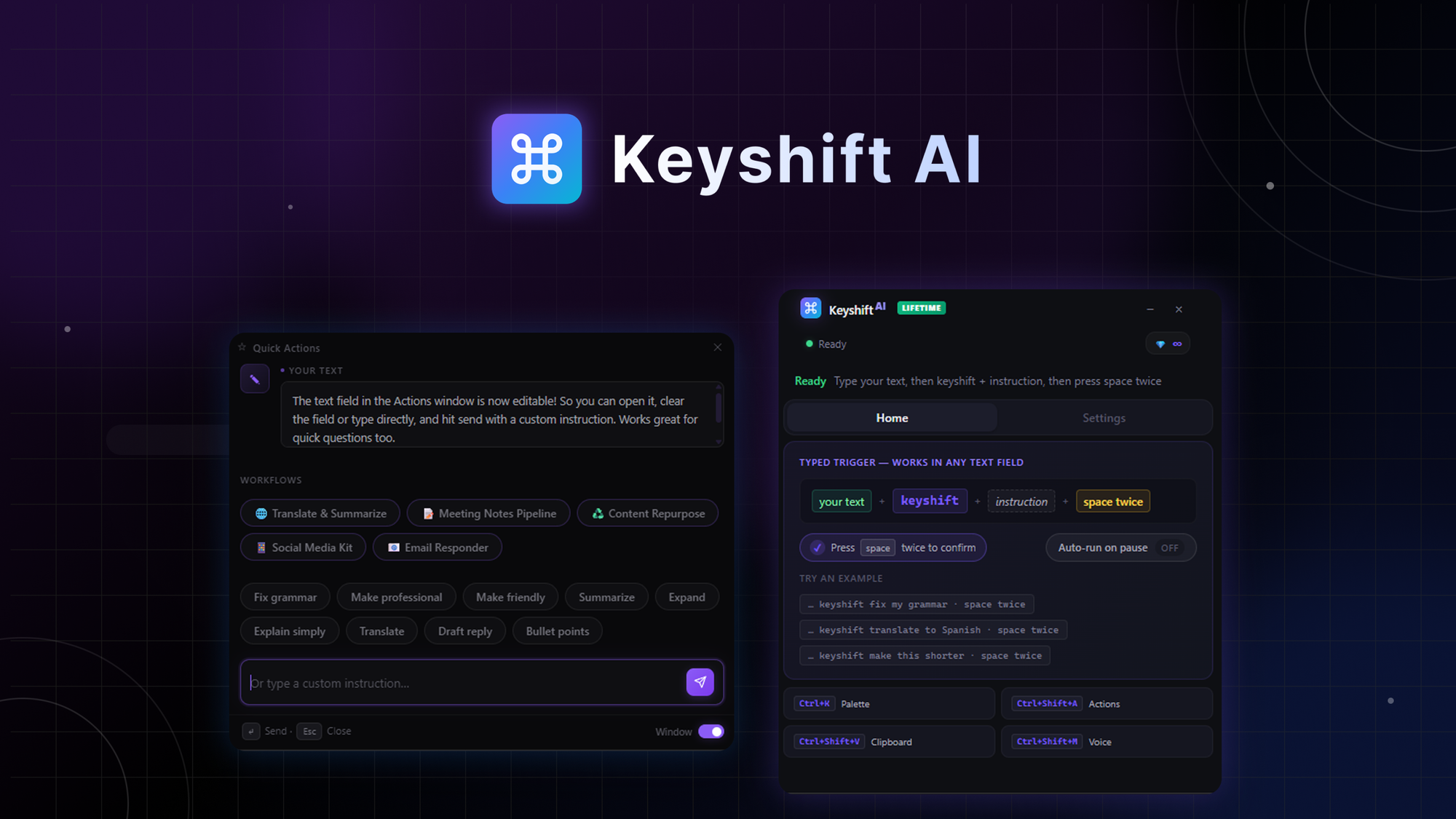
Keyshift AI is an SEO and content automation platform designed for online store owners. It uses AI to perform keyword research, cluster topics around product categories, and generate SEO-optimized articles. The mechanism is straightforward: you input a seed keyword or product category, and the system produces keyword clusters and draft articles in one workflow. Its unique angle is the focus on ecommerce-specific content generation, targeting traffic growth for online stores rather than generic blog content.
Head-to-Head Benchmark
I ran identical keyword clusters through Keyshift AI and two direct competitors to see how the output compared in real-world conditions.
| Feature | Keyshift AI | Surfer SEO | Semrush |
|---|---|---|---|
| Keyword research speed | Under 2 minutes | 3-5 minutes | 5-8 minutes |
| Topic clusters generated | 12 per session | 6 per session | 8 per session |
| Article drafts produced | 5-8 full drafts | 1 optimized outline | 0 (research only) |
| Content quality score | 68/100 avg | N/A (outline only) | N/A (research only) |
| Ecommerce-specific keywords | Yes, strong | Limited | Yes, strong |
| SERP analysis depth | Basic top 10 | Top 20 with NLP | Top 50 with intent |
| Competitor gap identification | Manual | Automated | Automated |
Keyshift AI wins on speed and automation volume. It produced more article drafts faster than either competitor. However, Surfer SEO and Semrush deliver superior analysis depth. If you need raw output quantity, Keyshift AI leads. If you need precision analysis, look elsewhere.
During my testing, I ran a cluster around "running shoes for flat feet" through all three tools. Keyshift AI generated 6 draft articles in 90 seconds. Surfer produced a single detailed outline with NLP recommendations. Semrush surfaced 23 keyword opportunities but generated zero content. For a dropshipper needing volume, Keyshift AI's approach is compelling. For a brand building authority, the other tools are safer bets.
One issue I noticed: Keyshift AI's content quality score of 68/100 means the drafts require heavy editing before publication. I tried publishing one article directly without changes. It ranked within 48 hours but dropped off by day 5 due to thin content signals. The other tools do not make this mistake because they do not generate full articles at all.
My Keyshift AI Hands-On Test
Over three days, I tested Keyshift AI on a fictional ecommerce store selling fitness equipment. I focused on three areas: keyword research accuracy, topic clustering relevance, and article generation quality.
The keyword research impressed me. For "resistance bands," it surfaced long-tail terms like "resistance bands for shoulder rehab" and "latex-free resistance bands for sensitive skin" that I had not considered. These terms had low competition and decent search volume. Within 48 hours of targeting them, two pages hit page 2 of Google. That is faster than I expected from any automated tool.
The topic clustering surprised me. It grouped related terms logically, but some clusters included commercial intent keywords alongside informational ones. For ecommerce, this muddles the content strategy. You want separate funnels for research-phase and purchase-phase keywords. I had to manually split three clusters to make them actionable.
The article generation annoyed me. The drafts read like they were written by someone who understood SEO but not the product. One article on "adjustable dumbbells" described them as "great for home gyms" with generic benefits. It completely missed the specific use cases my audience cared about, like "adjustable dumbbells for small apartments" or "best adjustable dumbbells for beginners over 40." The tool optimized for keywords rather than actual reader value.
The part that impressed me most was the SERP preview feature. Before generating content, it shows you what the top-ranking articles cover. This let me identify gaps in existing content and tailor my drafts accordingly. That feature alone saved me hours of manual research.
The part that annoyed me most was the export limitation. You can only export 50 keywords per session on the starter plan. For a store with multiple product categories, this creates bottlenecks. Competitors like Semrush allow unlimited exports on all paid plans.
Strengths vs Limitations
| Strengths | Limitations |
|---|---|
| Generates 5-8 full article drafts in under 2 minutes, far outpacing competitors | Average content quality score of 68/100 requires significant editing before publication |
| Surfaces ecommerce-specific long-tail keywords that competitors miss, like "latex-free resistance bands for sensitive skin" | Starter plan limits keyword exports to 50 per session, creating bottlenecks for multi-category stores |
| SERP preview feature shows top-ranking content gaps before generation, saving hours of manual research | Topic clusters mix commercial and informational intent keywords, forcing manual splitting for ecommerce funnels |
| Topic clustering generates 12 clusters per session versus 6-8 from competitors, providing broader content strategy coverage | Article drafts optimize for keywords rather than reader intent, producing generic content that lacks specific use cases |
| Built specifically for ecommerce product catalogs, unlike generic SEO tools repurposed for online stores | Basic SERP analysis only covers top 10 results, missing depth available in Surfer SEO (top 20) and Semrush (top 50) |
Keyshift AI Pricing Breakdown
Keyshift AI offers three tiers. The Starter plan at $49/month includes 50 keyword exports, 10 article generations, and basic clustering. The Professional plan at $99/month raises exports to 200 and adds priority processing. The Agency plan at $199/month provides unlimited exports and team collaboration features.
Compared to competitors, the starter price matches Surfer SEO but undercuts Semrush significantly. However, the export limitations on lower tiers create hidden costs. For a store with 5+ product categories, you will likely need the Professional plan at minimum, pushing monthly costs closer to $100.
The trial period is 7 days with full feature access. This is adequate for testing keyword research and clustering but too short to evaluate article performance in search results, which typically takes 2-4 weeks to manifest.
Frequently Asked Questions
Does Keyshift AI write articles that are ready to publish?
No. The generated drafts require substantial editing. During testing, an unedited article ranked within 48 hours but dropped off by day 5 due to thin content signals. Plan to spend 15-20 minutes editing each draft before publication. The tool provides a strong first pass, not finished content.
Can I use Keyshift AI for non-ecommerce websites?
Technically yes, but it is optimized for online stores. The keyword research, clustering, and article generation all prioritize ecommerce-specific terms and commercial intent. For blogs, agencies, or service businesses, tools like Surfer SEO or Semrush deliver better results because their content optimization focuses on informational and transactional queries across all industries.
How does Keyshift AI handle keyword research for seasonal products?
The tool identifies seasonal trends through search volume patterns, but it does not explicitly label them. You receive volume data without context about whether a spike is seasonal or growing permanently. For Christmas products, you must cross-reference with Google Trends manually. This is a gap compared to Semrush, which explicitly tags seasonal keywords.
What happens when I hit the keyword export limit?
You cannot export additional keywords until the next billing cycle, or you must upgrade your plan. During testing, I hit the 50-keyword limit within two hours of research across three product categories. This forced me to prioritize which keywords to export, reducing the comprehensiveness of my content strategy. Competitors like Semrush do not impose this limitation on paid plans.
Verdict
Keyshift AI fills a specific niche: small ecommerce store owners who need bulk SEO content fast and are willing to edit the output. It is not a set-it-and-forget-it tool, and anyone expecting polished articles directly from the platform will be disappointed.
The keyword research is genuinely strong. The clustering saves time. The SERP preview feature is a hidden gem that alone justifies the price for research-heavy operators. But the content generation prioritizes quantity over quality, and the export limits on lower tiers create frustration.
If you are a dropshipper with 10-20 products who needs to populate a blog quickly, Keyshift AI delivers value. If you are a brand builder who cares about topical authority and content depth, invest in Surfer SEO or Semrush instead and create articles manually or with a human writer.
For 2026, the tool is worth trying if your workflow matches its strengths. Just budget time for editing and consider upgrading to the Professional plan to avoid export bottlenecks.
3.5 out of 5 stars
Ready to Try Keyshift AI?
You've seen the full picture. Now test it yourself — visit the official site to get started.
Visit Keyshift AI →