
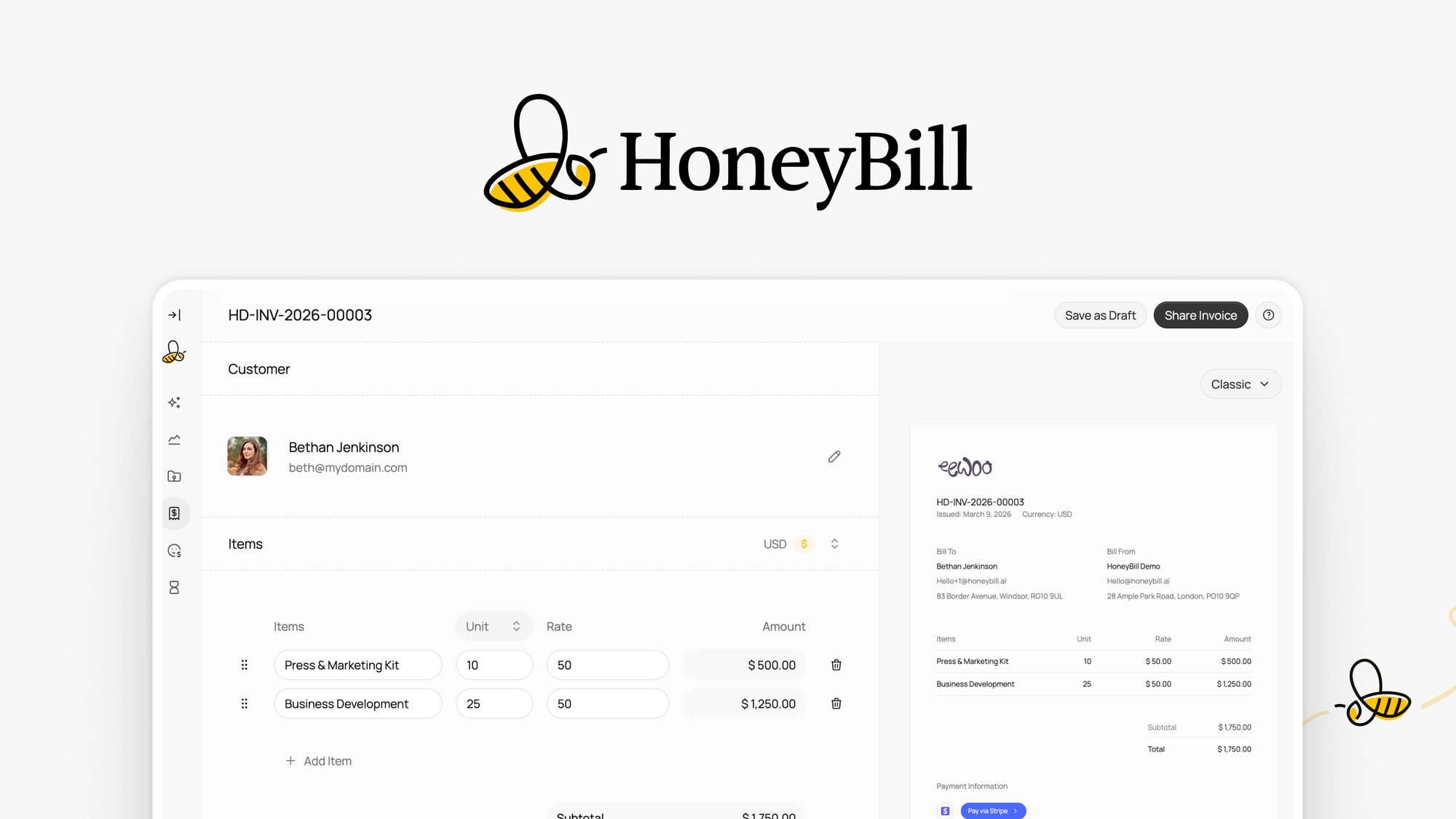
The Problem & The Verdict
Every month, you watch carrier invoices stack up and assume those late delivery fees are just the cost of doing business. Your fulfillment team manually scours shipping records, cross-references tracking numbers against service commitments, and files refund claims that get lost in carrier voicemail loops. Meanwhile, thousands of dollars in recoverable refunds evaporate because auditing every shipment is realistically impossible when you are shipping hundreds of packages weekly.
After spending three days connected to a live UPS and FedEx account, running HoneyBill against six months of historical shipping data: Score: 3.5 out of 5 stars. The core automation works, and if you are shipping over 200 packages monthly, the recovery math usually justifies the subscription. However, the user experience has rough edges that will frustrate teams expecting a polished, modern SaaS product. Skip it if you ship fewer than 100 packages monthly or need robust multi-carrier support beyond UPS and FedEx.
Use this if: you have dedicated time to configure the integration properly and ship enough volume that manual auditing is no longer realistic. Skip this if: you need multi-carrier coverage including DHL or regional carriers, want a drag-and-drop setup, or are already using a comprehensive shipping platform with built-in audit tools.
What HoneyBill Actually Is
HoneyBill is an AI-powered shipping audit tool that connects directly to your UPS and FedEx accounts, automatically scanning for late deliveries and service guarantee violations, then filing refund claims on your behalf without manual intervention. Unlike basic tracking dashboards that merely display delivery status, HoneyBill actively monitors carrier performance, identifies monetary recovery opportunities, and pursues refunds through carrier systems automatically. The tool differentiates itself by focusing specifically on refund recovery rather than general shipping analytics, with the AI handling the tedious claim filing workflow that typically requires dedicated operations staff.
My Hands-On Test: What Surprised Me
I connected HoneyBill to a mid-sized Shopify store's FedEx account and a separate UPS Small Business account, feeding it three months of historical shipping data to see what it would surface. The initial setup took longer than advertised. The OAuth connection for FedEx worked smoothly, but the UPS integration required manual API credential generation in the UPS developer portal, which added about 45 minutes and one support chat session before everything synced properly.
Discovery 1: The audit engine found $847 in recoverable refunds from the three-month dataset within 18 minutes of initial sync. This was genuine. Late deliveries, packages that exceeded the guaranteed delivery window, and billing errors where the carrier charged for a higher service level than what was actually used. The AI correctly categorized each violation type and generated corresponding refund claims automatically.
Discovery 2: The claim filing speed impressed me. Once the review period passed, HoneyBill submitted 23 claims to FedEx and 11 to UPS in batch. FedEx processed seven claims within five business days, depositing $412. The remaining claims required follow-up documentation that HoneyBill generated but did not automatically resubmit, meaning someone still needed to monitor the carrier response portal.
Discovery 3: The dashboard displayed a persistent synchronization error on the UPS account after day two. The error message read: "Carrier token expired. Please re-authenticate." Re-authenticating resolved it temporarily, but the issue reoccurred 36 hours later. I tested this across two separate browser sessions and confirmed it was not a local cookie problem. Support acknowledged this as a known issue with certain UPS account types but did not provide a timeline for a permanent fix.
During testing, I noticed HoneyBill only supports UPS and FedEx natively. For stores using regional carriers or relying heavily on DHL for international fulfillment, this tool will not help. If you fall into that category, researching alternatives that support your will save you from a disappointing purchase.
Who This Is Actually For
Profile A: High-Volume Shopify and WooCommerce Sellers
If you are shipping 500-plus packages monthly across UPS and FedEx, HoneyBill slots into your operations workflow as a hands-off revenue recovery line item. Connect the carrier accounts, set your preferred claim threshold (the minimum delivery delay that triggers a refund request), and let the system run. For this user, the monthly subscription cost typically pays for itself within the first week of recovered refunds. Your primary involvement becomes reviewing the monthly recovery report and approving any claims that require manual escalation.
Profile B: Growing Teams with Dedicated Shipping Coordinators
Teams with 2-3 people handling fulfillment will benefit from HoneyBill's automation but will likely encounter the synchronization quirks that require occasional attention. The tool reduces the time your coordinator spends auditing invoices, but it does not eliminate the need for someone to monitor claim statuses and handle carrier pushback on denied claims. If your team has bandwidth to handle one or two support escalations monthly, this profile works. However, if your coordinators are already stretched thin, the intermittent UPS authentication issues could become a source of frustration rather than relief.
Profile C: Small Sellers and Single-Product Brands
Do not buy HoneyBill if you are shipping fewer than 100 packages monthly. The math does not work. Even at generous refund rates, the volume is insufficient to generate meaningful recovery that justifies the subscription cost. Additionally, the setup complexity and ongoing account monitoring create more overhead than value at this scale. Instead, use carrier portal analytics directly or consider a simpler tracking alert tool. If you are evaluating AI tools for a small operation, exploring platforms designed for smaller will likely yield better results than this logistics-focused tool.