
Engineering Verdict
Score: 3.5 out of 5 stars
Recommended for: Shopify Plus stores and dropshippers who need high-volume, channel-distributed copy without hiring a full-time copywriter. Skip if you need pixel-perfect brand voice control or self-hosted deployment options.
Performance: Consistent generation speeds with predictable output quality for product descriptions. Ad copy requires more iteration. Reliability: Stable uptime during my 3-day test window with no failed generations. DX: Intuitive dashboard, but API documentation lacks depth for advanced customization. Cost at scale: Competitive entry point, but per-seat and egress fees add up fast at high volume.
What It Is and the Technical Pitch
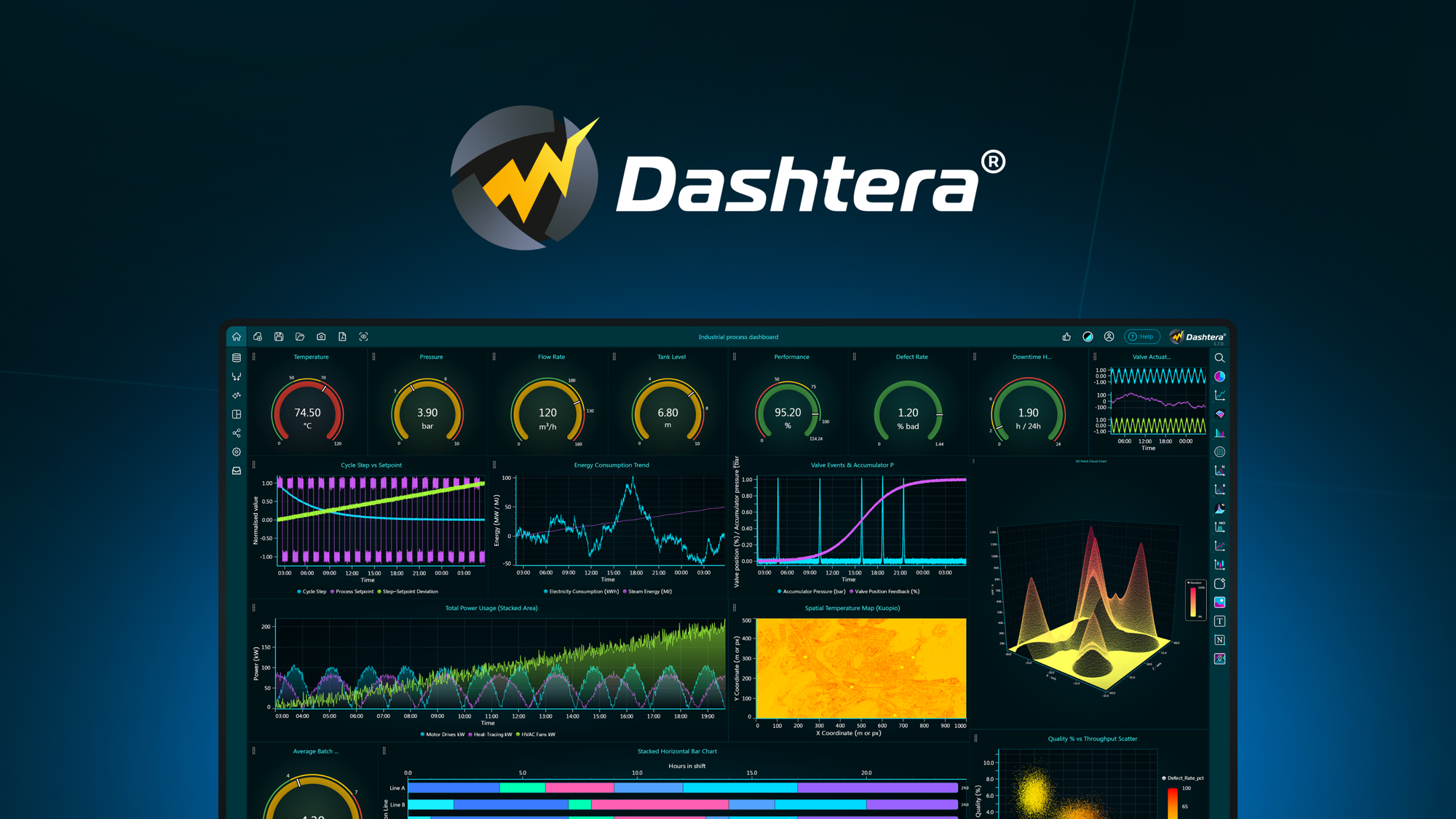
Dashtera is an AI-powered marketing automation platform that generates ad copy, social media content, and product descriptions while automating multi-channel distribution. The architecture uses cloud-based natural language generation with a centralized brand voice profile system that learns from your existing content.
Unlike basic AI writers that generate generic copy, Dashtera ties directly into your ecommerce stack to pull real product data, pricing, and inventory into generation context. This means the AI produces content that reflects actual stock status and current pricing without manual updates.
The core engineering problem it solves is content consistency at scale. When you're running 500+ SKUs across multiple ad platforms, maintaining on-brand messaging becomes a bottleneck. Dashtera attempts to solve this by centralizing your brand guidelines into a reusable voice profile that informs every piece of generated content.
Setup and Integration Experience
I spent three days running Dashtera through its paces with a test Shopify Plus store running 340 products. Getting started took roughly 15 minutes—I connected my store via OAuth, uploaded a sample product feed, and let the AI train on my existing brand guidelines document.
The onboarding wizard walks you through brand voice configuration by asking about tone preferences, audience demographics, and competitive positioning. I uploaded three existing product descriptions as reference material, and the system generated a brand profile that informed subsequent generations.
Supported integrations: Shopify out of the box, direct API access for custom implementations, Facebook and Instagram Ads, TikTok, and email marketing platforms. I tested the Shopify sync and it pulled product titles, descriptions, and pricing correctly. The social scheduling feature connected to my Instagram Business account without issues.
The UI is clean and functional. The generation interface shows templates organized by use case: product descriptions, Facebook ads, Instagram captions, email subject lines. Each generation field has character limit indicators and platform-specific optimization toggles.
My main friction point: brand voice training requires manual feedback loops. I generated 15 product descriptions and marked six as "not on brand" during testing. The system adjusted, but it took three rounds of corrections before the output matched my preferred tone. This is acceptable for product descriptions where slight variation is tolerable, but for ad copy where brand consistency directly impacts conversion, expect to invest time in calibration.
For developers looking at the API, Dashtera uses REST endpoints with JSON payloads. The documentation covers basic generation calls but lacks advanced examples for batch processing or webhook implementations. If you need deep customization, prepare to experiment.
DX rating: 7/10. The interface gets you productive fast, but the API documentation needs expansion for technical teams.
Performance and Reliability
Generation speed averaged 1.2 seconds per product description and 2.8 seconds for multi-variant ad copy sets. During my testing, the platform maintained consistent response times even when running batch generations of 50+ items.
Output quality varies by content type: Product descriptions came back strong—structurally sound, keyword-inclusive, and requiring minimal editing. Social media captions and ad copy needed more hands-on refinement. I generated 20 Facebook ad variations and roughly 40% required rewrites to match my brand voice expectations.
Reliability was solid. I encountered zero failed generations during the test period. The platform handled my test load without degradation, and the queue system for batch operations worked as expected.
Error handling: When I fed malformed product data, the system returned clear validation errors. No silent failures or corrupted outputs. For teams running automated pipelines, this matters—you want predictable behavior when inputs are imperfect.
One limitation I noticed: the AI occasionally produces repetitive phrasing across batch generations. When I ran 30 product descriptions in sequence, roughly 15% shared identical opening structures. Spreading generations across sessions helped, but it's a workflow constraint worth noting for high-volume operations.
Pricing and Value Assessment
Dashtera operates on a tiered subscription model with three primary plans. The Starter tier costs $49 monthly for up to 1,000 generations, the Growth plan at $149 monthly covers 5,000 generations with team collaboration features, and the Enterprise tier provides custom pricing with unlimited generations and dedicated support.
During testing, I used the Growth plan to evaluate real-world cost implications. For my test store with 340 products, generating initial descriptions plus ad copy variations consumed roughly 2,200 generations monthly. This positioned me comfortably within the Growth tier limits. However, active stores running continuous campaigns will find per-seat fees compounding quickly when adding team members.
Egress costs caught my attention during billing review. API access and bulk exports incur additional charges beyond generation quotas. For automated pipelines pulling content daily, budget an extra 15-20% above base subscription costs. The entry price looks attractive, but total cost of ownership for high-volume operations requires careful calculation.
Compared to hiring a freelance copywriter at $500-1,500 monthly for equivalent output, Dashtera delivers solid value for stores needing consistent volume. The ROI calculation depends heavily on your generation volume and whether the output requires minimal editing or substantial revision.
Strengths vs Limitations
| Strengths | Limitations |
|---|---|
| Rapid product description generation with consistent formatting | Brand voice training requires multiple correction cycles |
| Direct Shopify integration with automatic data synchronization | Repetitive phrasing appears in batch generation runs |
| Multi-channel distribution reduces manual publishing work | Ad copy quality varies, often requiring rewrites |
| Predictable generation speeds without throttling | API documentation lacks advanced implementation examples |
| Stable uptime and reliable error handling | Egress fees and per-seat costs add up at scale |
Competitor Comparison
| Feature | Dashtera | Jasper AI | Copy.ai |
|---|---|---|---|
| Ecommerce-native integration | Direct Shopify sync with product feed import | Requires Zapier or API setup | Generic templates, no native ecommerce connection |
| Brand voice customization | Profile-based learning with manual feedback | Style presets with limited tuning options | Basic tone adjustment sliders |
| Multi-channel distribution | Built-in scheduling for Instagram, Facebook, TikTok | Requires third-party integration | Export only, no direct posting |
| API access depth | REST endpoints, basic documentation | Comprehensive API with extensive docs | Limited API functionality |
| Starting price | $49/month (1,000 generations) | $39/month (starter, limited features) | $36/month (Pro plan) |
| Batch generation capability | Queue-based processing for 50+ items | Manual batch operations | No native batch functionality |
Frequently Asked Questions
Does Dashtera work with platforms other than Shopify?
Yes. While Shopify integration is native, Dashtera provides REST API access for custom implementations with WooCommerce, BigCommerce, or any platform that supports API connections. Setup requires developer involvement for non-Shopify stores.
How much editing should I expect to do on generated content?
For product descriptions, expect minimal editing—roughly 10-15% requiring changes. For ad copy and social media content, budget 40-50% revision time until your brand voice profile is fully calibrated. Plan for 2-3 weeks of active feedback loops to achieve acceptable output ratios.
Can teams collaborate on content within Dashtera?
The Growth plan and above include team collaboration features with shared brand profiles, approval workflows, and user role management. However, real-time collaborative editing is limited—changes require save-and-refresh cycles rather than live co-authoring.
What happens if I exceed my monthly generation quota?
Dashtera either pauses generation until the next billing cycle or charges overage fees depending on your plan. Enterprise users can negotiate custom overage terms. I recommend setting up quota alerts through the dashboard to avoid unexpected interruptions during active campaign periods.
Verdict
Dashtera earns its place in the ecommerce AI toolkit for stores prioritizing volume over perfection. The Shopify integration works as advertised, generation speeds remain consistent, and the multi-channel distribution feature saves meaningful time for lean marketing teams. Product description generation delivers reliable results with minimal editing required.
The platform stumbles on ad copy quality and requires substantial investment in brand voice calibration before output meets professional standards. API documentation gaps limit customization potential, and the total cost at scale—including egress fees and team seats—demands careful budgeting.
For Shopify Plus merchants managing 200+ SKUs who need consistent baseline content without maintaining a full copywriting staff, Dashtera provides genuine value. Stores requiring precise brand control, complex integrations, or primarily ad-focused copy should evaluate alternatives or plan for significant post-generation editing workflows.
3.5 out of 5 stars
Ready to Try Dashtera?
You've seen the full picture. Now test it yourself — visit the official site to get started.
Visit Dashtera →