
Why Ecommerce Teams Are Leaving Cachetray (And What Actually Works Better)
Cachetray solves a narrow problem: it copies product data and images to your clipboard for quick reuse. The moment your workflow demands more than that, you hit a wall. Teams abandon it because it cannot handle multi-step automations, conditional logic, or any real integration with their store stack. The moment you need to move beyond manual copy-paste work, Cachetray becomes a bottleneck rather than a productivity tool.
A good Cachetray alternative is one that actually automates the task you were doing manually, connects natively to your ecommerce platform, and costs less than building a custom solution. It must eliminate the repetitive work Cachetray was supposed to simplify while adding workflow capabilities that grow with your store.
The best overall switch in 2026 is onBeacon if you need strategic UX improvement and conversion optimization. If you need a complete content workflow, Brizy WordPress delivers more value per dollar for WordPress-based stores.
The Quick Comparison
| Tool | Best For | Starting Price | Biggest Win vs Cachetray | Verdict |
|---|---|---|---|---|
| Cachetray | Manual clipboard copying | Free (limited) | Baseline reference only | Too narrow for most teams |
| Brizy WordPress | WordPress/WooCommerce stores needing AI content | Appsumo deal available | Full AI page generation, product copy, brand images | Best for content-heavy stores |
| Deftform | Lead capture and feedback automation | Not disclosed publicly | Unlimited form submissions with conditional logic | Solid for data collection workflows |
| onBeacon | Conversion rate optimization and UX audits | Not disclosed publicly | Senior-level product feedback on demand, 24/7 | Top pick for growth-focused teams |
| Genpire | Custom product design and manufacturing | Not disclosed publicly | Generative AI designs to physical products in one pipeline | Best for merch and custom goods brands |
| Known Agents | AI search optimization and GEO | Free tier available | First real analytics for LLM crawler traffic | Early adopter advantage for AI search |
None of these tools do exactly what Cachetray does, because Cachetray occupies a narrow niche. These alternatives address the underlying problem Cachetray users face: repetitive manual work that should be automated.
Deep Dive: Each Alternative
1. Brizy WordPress
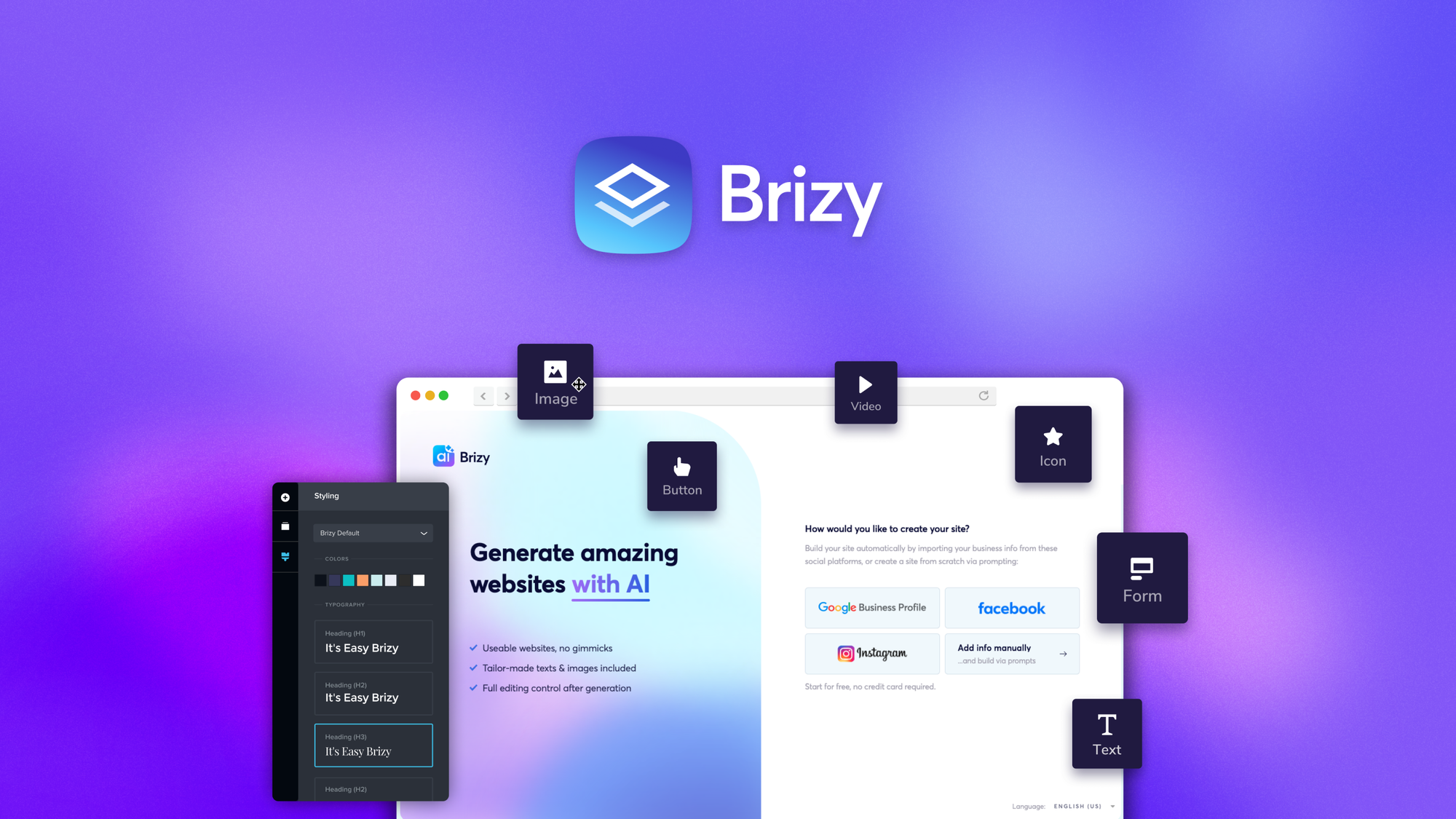
Brizy WordPress is an AI-powered page builder designed specifically for WooCommerce stores. It generates complete page layouts, marketing copy, and custom images from simple prompts. The single best reason to switch from Cachetray: it eliminates the entire workflow Cachetray was trying to simplify by building AI-generated content that goes directly into your store, no manual copying required.
What it does better than Cachetray:
- Generates full landing page structures automatically from a single topic input, not just individual clips
- Creates product descriptions and marketing copy using AI trained on ecommerce patterns
- Produces custom brand images within the editor using AI image generation, eliminating the need for stock photo subscriptions or manual asset creation
- Native WooCommerce integration means AI-generated content drops directly into product pages, categories, and landing pages without copy-paste workflows
Where it falls short:
- Requires WordPress hosting and a WooCommerce setup, making it unusable for Shopify, BigCommerce, or standalone stores
- The AI generation quality varies significantly for highly technical or niche product categories
- The learning curve for mastering the builder's full capabilities outweighs Cachetray's simplicity
Pricing: Standard pricing starts at $49 per year for the Cloud version. The WordPress plugin follows a freemium model with Pro plans starting at $59 per year. Appsumo frequently offers lifetime deals that provide better long-term value.
Bottom line: Choose this if you run a WooCommerce store and spend significant time creating product pages, landing pages, or marketing content manually. Skip it if your store runs on a different platform or you only need to copy data between tools without content generation.
2. Deftform
Deftform is an AI-powered form builder focused on lead generation, customer feedback, and automated data collection for ecommerce brands. It creates sophisticated forms using natural language descriptions rather than drag-and-drop configuration. The best reason to switch from Cachetray: it automates the entire data collection workflow that Cachetray users typically piecemeal together with spreadsheets and manual entry.
What it does better than Cachetray:
- Creates complex multi-step forms with conditional logic using plain English prompts, something Cachetray cannot approach
- Handles unlimited form submissions without per-entry pricing tiers that throttle growth
- Integrates directly with ecommerce platforms for automated follow-up sequences based on form responses
- Workflow automation connects form data to email marketing, CRM systems, and spreadsheet tools without manual processing
Where it falls short:
- Form building represents its core strength, so teams needing broader workflow automation will outgrow it quickly
- Customization options for form styling are more limited compared to established form builders like Typeform or Jotform
- The AI form generation occasionally produces logic flows that require manual adjustment to match exact business requirements
Pricing: Pricing is not publicly disclosed on the website. The tool offers a 60-day money-back guarantee, suggesting a premium positioning. Enterprise and team pricing likely varies based on submission volume and integration needs.
Bottom line: Choose this if your primary frustration with Cachetray involves manual data entry and you need to build lead capture or feedback workflows. Skip it if you need broader automation beyond forms or require transparent, predictable pricing.
3. onBeacon
onBeacon functions as an always-available AI product manager and senior UX designer that continuously audits ecommerce storefronts. It analyzes your store's user experience and provides actionable recommendations for conversion optimization. The single best reason to switch from Cachetray: it replaces the need for expensive product managers and UX consultants by delivering expert-level feedback on demand, 24 hours a day.
What it does better than Cachetray:
- Delivers senior product designer feedback on landing pages, funnels, and checkout flows within seconds of submission
- AI-driven UX audits identify specific conversion killers that Cachetray users would never catch copying content manually
- Growth strategy suggestions are tied directly to measurable metrics like conversion rate and average order value
- Functions as an on-call product team member, providing guidance without scheduling meetings or paying consultant rates
Where it falls short:
- Does not handle the content creation or asset management that Cachetray attempted to solve
- Actionable recommendations require a store with existing traffic and conversion data to validate suggestions
- Focuses exclusively on UX and product strategy, leaving content, design, and operational workflows unaddressed
Pricing: Pricing is not publicly disclosed. Given its positioning as a premium product intelligence tool, expect pricing aligned with professional SaaS tools rather than consumer-grade utilities. Contact sales for custom enterprise quotes.
Bottom line: Choose this if you have outgrown Cachetray's basic clipboard functionality and need strategic guidance on improving your store's conversion performance. Skip it if you need operational tools for content creation, asset management, or daily workflow automation.
4. Genpire
Genpire is an AI-powered platform that generates unique product designs using generative AI and manufactures those designs into physical merchandise. It bridges the gap between AI creativity and physical product fulfillment. The best reason to switch from Cachetray: it completely eliminates the need for design resources, suppliers, and fulfillment logistics by offering an end-to-end pipeline from AI concept to delivered product.
What it does better than Cachetray:
- Generates unique product designs and patterns automatically, removing the need for design skills or external agencies
- Creates automated mockups showing exactly how designs will appear on physical merchandise before production
- Integrates manufacturing and fulfillment into the platform, meaning AI-generated designs ship directly to customers without manual handoffs
- Enables rapid testing of new product lines without upfront inventory investment or supplier negotiations
Where it falls short:
- Only relevant for brands selling custom merchandise, apparel, or physical goods — completely misaligned with digital product stores or service businesses
- Quality control over manufactured products depends on third-party production partners, not fully controllable by the platform
- Design generation works best for certain product categories and may struggle with highly technical or precision-dependent items
Pricing: Pricing is not publicly disclosed. Given the manufacturing and fulfillment integration, costs likely include both design platform fees and per-unit production costs. Enterprise pricing negotiated for volume production expected.
Bottom line: Choose this if you sell or want to sell custom merchandise, print-on-demand products, or branded physical goods and need an AI-powered design-to-delivery pipeline. Skip it if your store sells digital products, services, or standard retail goods without customization requirements.
5. Known Agents
Known Agents provides analytics and control over how AI agents, LLM crawlers, and bots interact with ecommerce storefronts. It helps store owners optimize for emerging AI search discovery and Generative Engine Optimization. The best reason to switch from Cachetray: it addresses the new reality that AI assistants are becoming primary search channels, and Cachetray offers zero visibility into this traffic source.
What it does better than Cachetray:
- Reveals which AI agents and LLM crawlers are visiting your store, including traffic volume and specific pages targeted
- Tracks LLM referral traffic, showing how much business comes from AI chat assistants like ChatGPT, Perplexity, or Claude
- Provides automated robots.txt management to selectively allow or block specific AI agents from scraping store data
- Enables proactive optimization for Generative Engine Optimization before competitors capture AI search traffic
Where it falls short:
- Does not solve any content creation, asset management, or operational workflow problems that Cachetray attempted
- Value depends heavily on AI search becoming a significant traffic driver for your specific product category — still emerging in many niches
- Free tier provides basic analytics, but comprehensive GEO optimization features likely require paid plans
Pricing: Offers a free tier for basic AI agent and bot analytics. Premium features for LLM referral tracking and advanced GEO optimization likely available in paid plans. Specific pricing tiers not publicly listed at time of review.
Bottom line: Choose this if you want early-mover advantage in AI search optimization and need visibility into how AI tools interact with your store. Skip it if you need immediate operational improvements or your products are unlikely to appear in AI-generated responses.
Feature Comparison Matrix
| Feature | Cachetray | Brizy WordPress | Deftform | onBeacon | Genpire | Known Agents |
|---|---|---|---|---|---|---|
| API Access | No | Limited (REST API in Pro plans) | Yes (Enterprise tier) | Yes (Enterprise tier) | Limited (beta) | Yes (all paid tiers) |
| Free Tier | Yes (basic clipboard only) | Yes (WordPress plugin limited) | No | No | No | Yes (crawler analytics) |
| Self-hosted Option | No | Yes (WordPress plugin) | No | No | No | No |
| AI Integration | No | Yes (native AI page and copy generation) | Yes (AI form generation from text) | Yes (AI UX analysis and recommendations) | Yes (generative design to production) | Yes (LLM traffic analytics) |
| Mobile App | No | No | No | Yes (iOS and Android) | Limited (beta) | No |
| Export Formats | Clipboard (copy/paste) | HTML, WordPress export, JSON | CSV, JSON, PDF, native integrations | PDF reports, CSV data, API | PNG, SVG, PDF, manufacturing files | CSV, JSON, API |
| SSO / Enterprise Ready | No | Limited (SAML in Enterprise) | Yes (SAML + SCIM) | Yes (SAML + role management) | No | Yes (SAML + audit logs) |
| Open Source | No | Partial (WordPress plugin partially open) | No | No | No | No |
Final Verdict: Who Should Choose What
- Choose Cachetray if you only need to copy product data and images to clipboard for manual pasting into simple documents or spreadsheets.
- Choose Brizy WordPress if you run a WooCommerce store and need AI-generated landing pages, product copy, and brand images integrated directly into your workflow.
- Choose Deftform if your team struggles with lead capture forms, customer feedback collection, and automated follow-up sequences that currently require manual data entry.
- Choose onBeacon if you need ongoing UX auditing, conversion optimization recommendations, and product strategy feedback without hiring a full-time product manager or consultant.
- Choose Genpire if you operate a custom merchandise or print-on-demand business and need a streamlined pipeline from AI-generated designs to production-ready files.
- Choose Known Agents if you want early-mover advantage in AI search optimization and need analytics specifically tracking how LLM crawlers discover and index your ecommerce content.
Still on Cachetray? Only if your workflow consists entirely of copying individual product fields and you have no plans to expand beyond manual content reuse.
Frequently Asked Questions
How difficult is it to migrate away from Cachetray?
Migration difficulty depends entirely on which alternative you choose. Brizy WordPress requires migrating your store to WordPress if it is not already there, which is the most involved transition. Deftform and onBeacon can be evaluated through free trials without any technical setup. The migration itself is not data transfer but workflow redesign: you replace manual copy-paste sequences with automated pipelines, which requires retraining your team's habits more than technical implementation.
How does Cachetray pricing compare to these alternatives?
Cachetray offers a free tier that covers basic clipboard functionality, making it the lowest entry cost option. The alternatives range from Known Agents' free analytics tier to Brizy WordPress starting at $49 per year. Deftform, onBeacon, and Genpire do not disclose public pricing, indicating premium positioning. The true cost comparison must account for the productivity gains from automation: if an alternative saves two hours per week, the ROI calculation favors the paid tool regardless of Cachetray's free entry point.
Which alternative works best for small ecommerce teams with limited budgets?
Brizy WordPress with an Appsumo lifetime deal delivers the best value for small teams because it combines website building, AI content generation, and WooCommerce integration in a single tool at a fixed upfront cost. Known Agents also merits consideration for small teams wanting to optimize for AI search without any subscription expense. Deftform and onBeacon lack free tiers, making them harder to justify for bootstrapped operations until they generate sufficient revenue to justify premium tooling costs.
What happens to my cached product data when I stop using Cachetray?
Cachetray stores product data locally in your browser or device clipboard cache. When you stop using the service, no data remains on Cachetray servers because the tool operates as a local clipboard utility rather than a cloud-based database. Your products are unaffected in your ecommerce platform. The only consideration is documenting any automated workflows you built using Cachetray before migrating, as you will need to recreate those manual processes in your new tool of choice.